
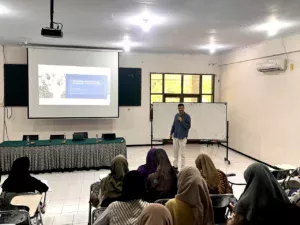
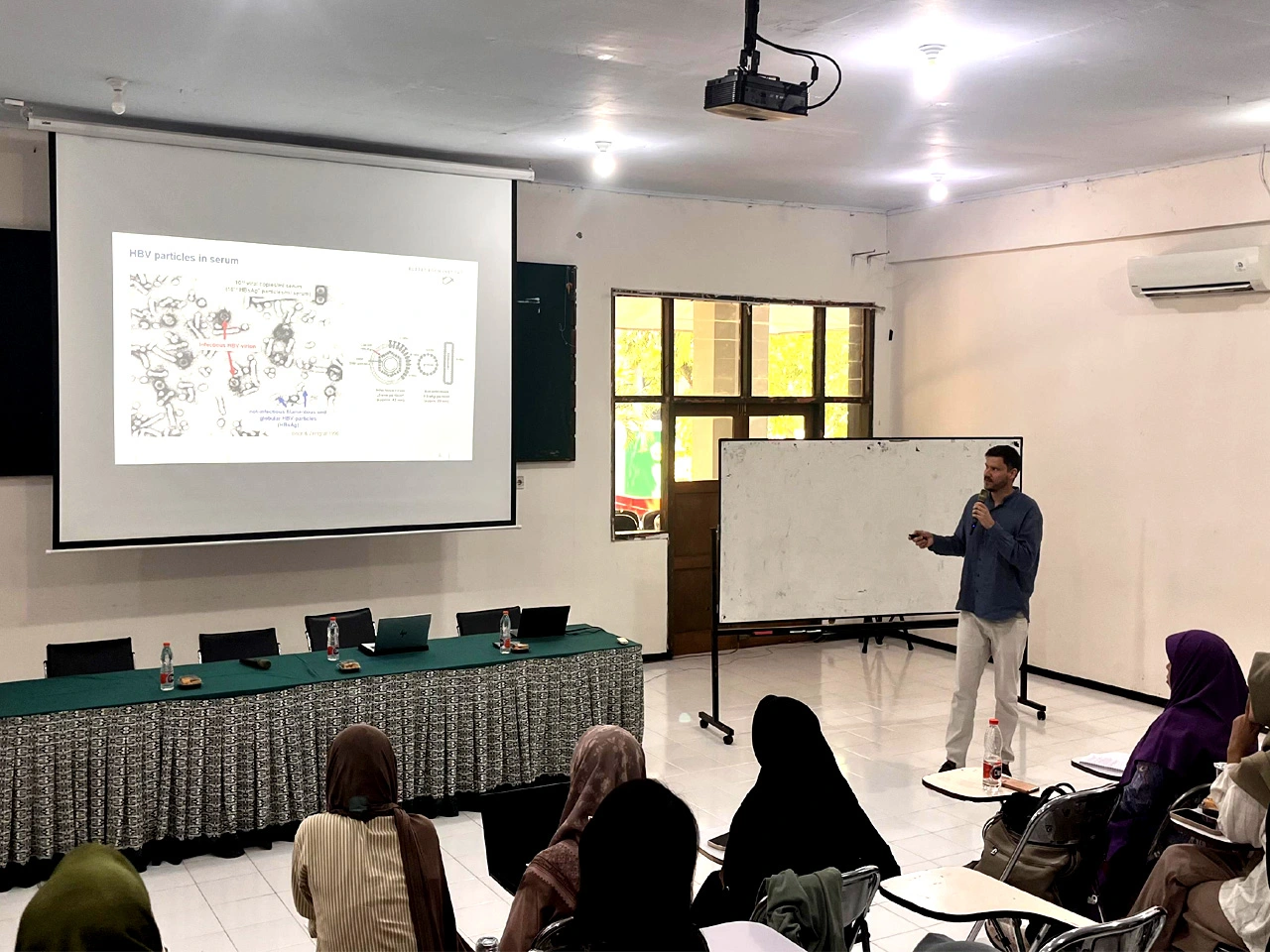
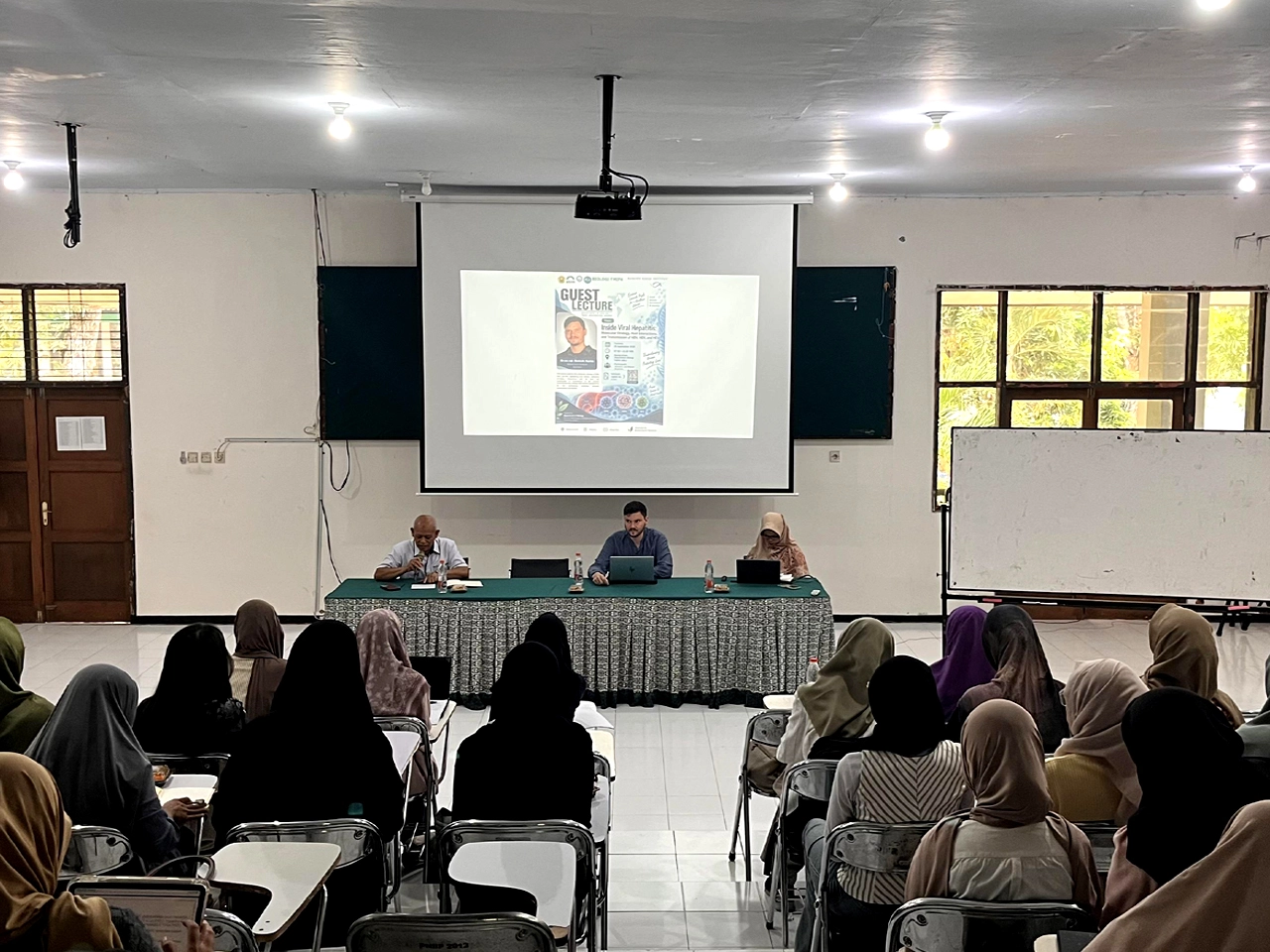
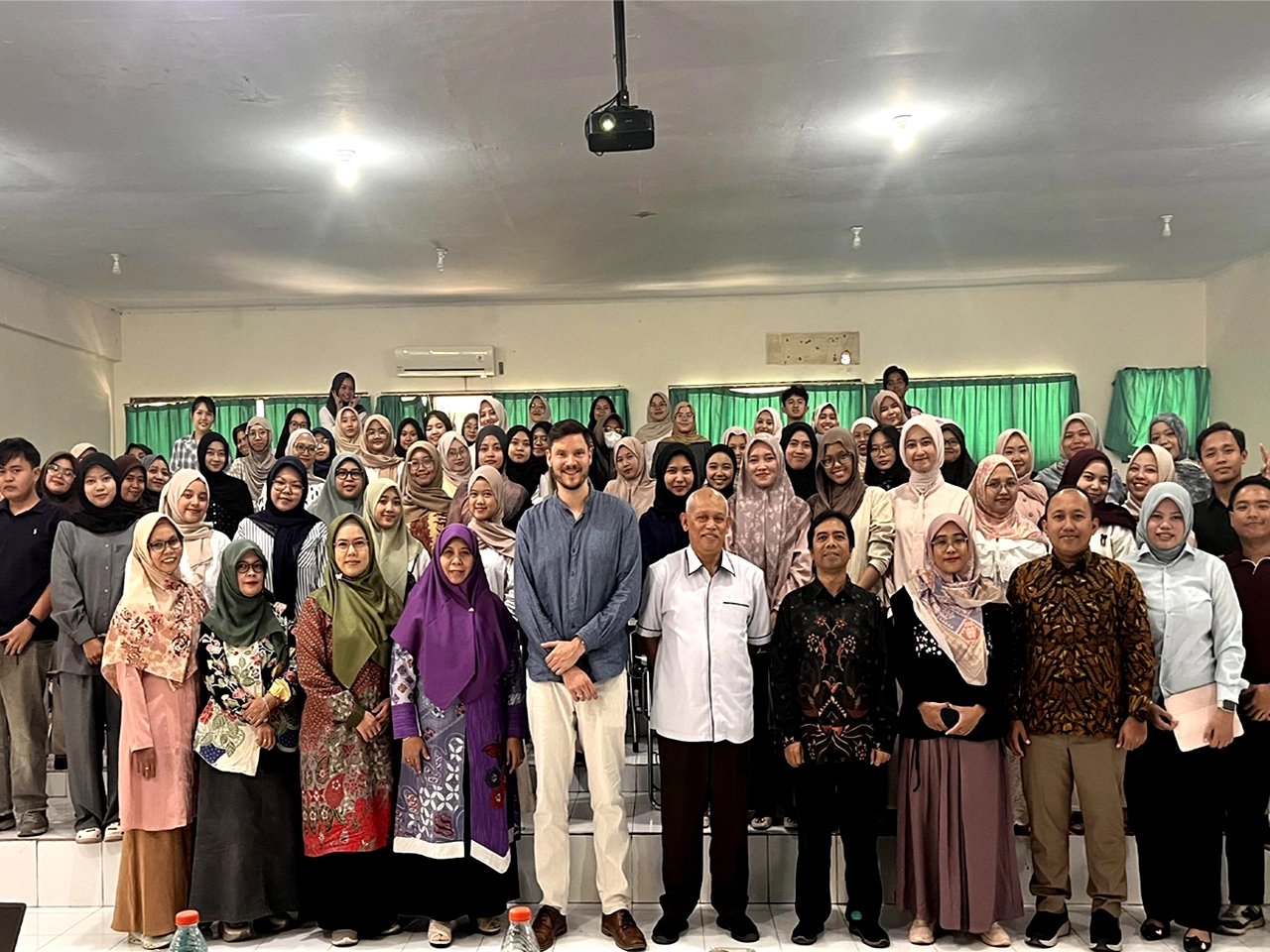
 The Biology Department at FMIPA UNEJ, fostered an international-standard academic atmosphere by hosting a guest lecture featuring Dr. rer. nat. Dominik Harms, a researcher from the Robert Koch Institute (RKI) in Berlin, Germany. Dr. Dominik discussed research developments regarding Hepatitis B Virus (HBV), Hepatitis D Virus (HDV), and Hepatitis E Virus (HEV), covering topics ranging from epidemiology, pathogenic mechanisms, and virus-host cell interactions to disease management and control strategies. Centered on the theme “Epidemiology, Pathogenesis, and Management of HBV, HDV, and HEV” the event provided participants with insights into these viral hepatitis infections, which are matters of global concern.
It is noted that the three viruses possess distinct biological characteristics and infection mechanisms, necessitating specific approaches to research and management. “HBV can establish chronic infection through complex interactions with the immune system; HDV relies on the presence of HBV to replicate yet can exacerbate liver damage; and HEV is a major cause of acute hepatitis with diverse epidemiological characteristics,” he explained. Dr. Dominik emphasized the importance of understanding the relationship between the viruses and the body’s immune response as a foundation for developing more effective strategies for prevention, diagnosis, and treatment.
Furthermore, Dr. Dominik emphasized that advancements in molecular biology technology have opened up significant opportunities to gain a deeper understanding of viral infection mechanisms. “Molecular analysis-based approaches enable researchers to map viral replication dynamics, genetic changes, and the interactions between the virus and host cells that contribute to disease progression,” he added. Cross-border and interdisciplinary collaboration are crucial factors in accelerating innovation ranging from vaccine and antiviral therapy development to surveillance systems that can support sustainable hepatitis control.
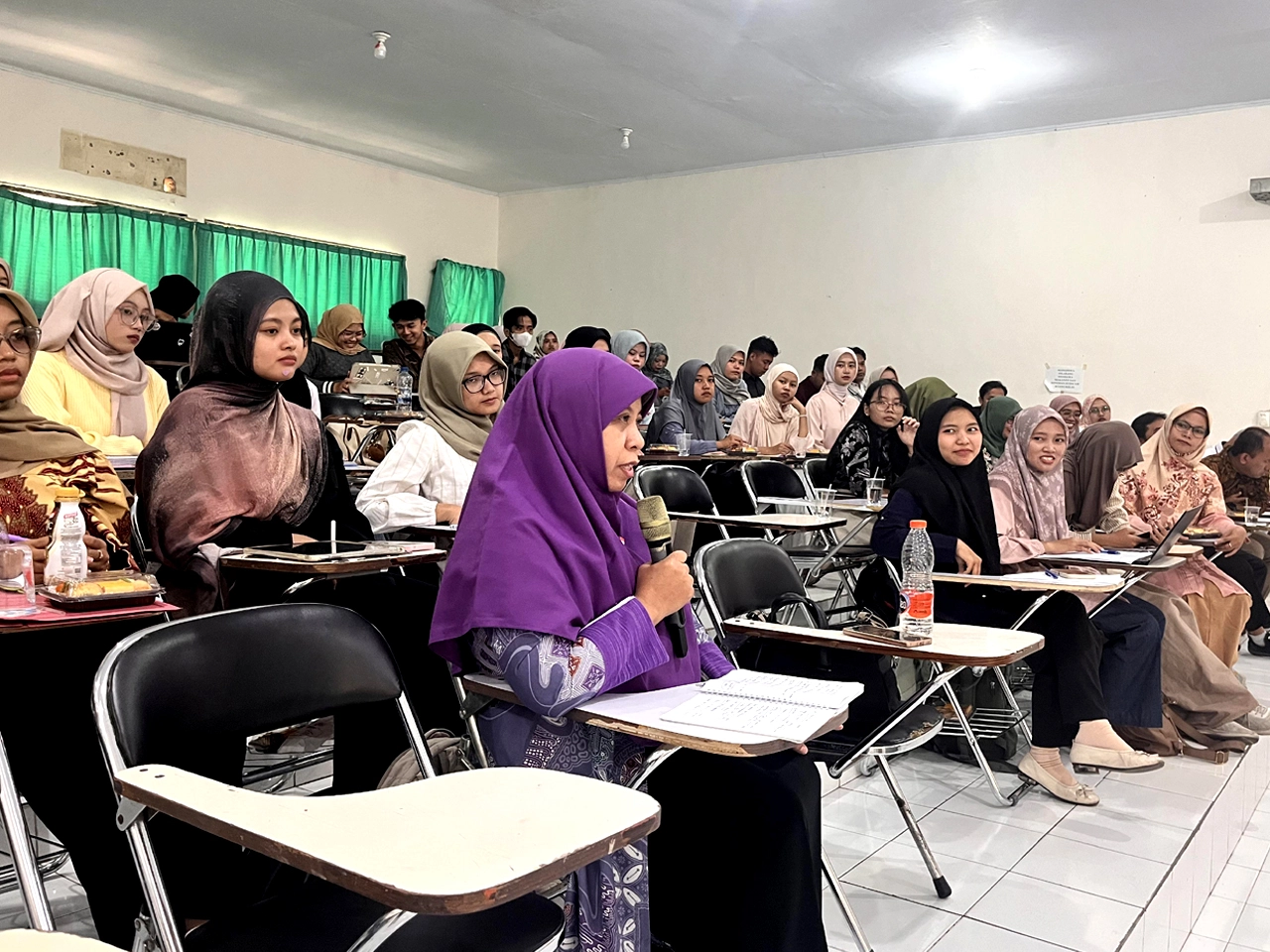
Through this Guest Lecture, the Biology Department at FMIPA UNEJ demonstrates its commitment to bringing in cutting-edge knowledge from global experts while expanding international collaboration networks in the fields of life sciences and health. The scientific discussion not only enriched the academic community’s understanding of virology and infectious diseases but is also expected to inspire innovative research that contributes to scientific advancement and solutions for future public health challenges.
 |
 |
 |
 |