
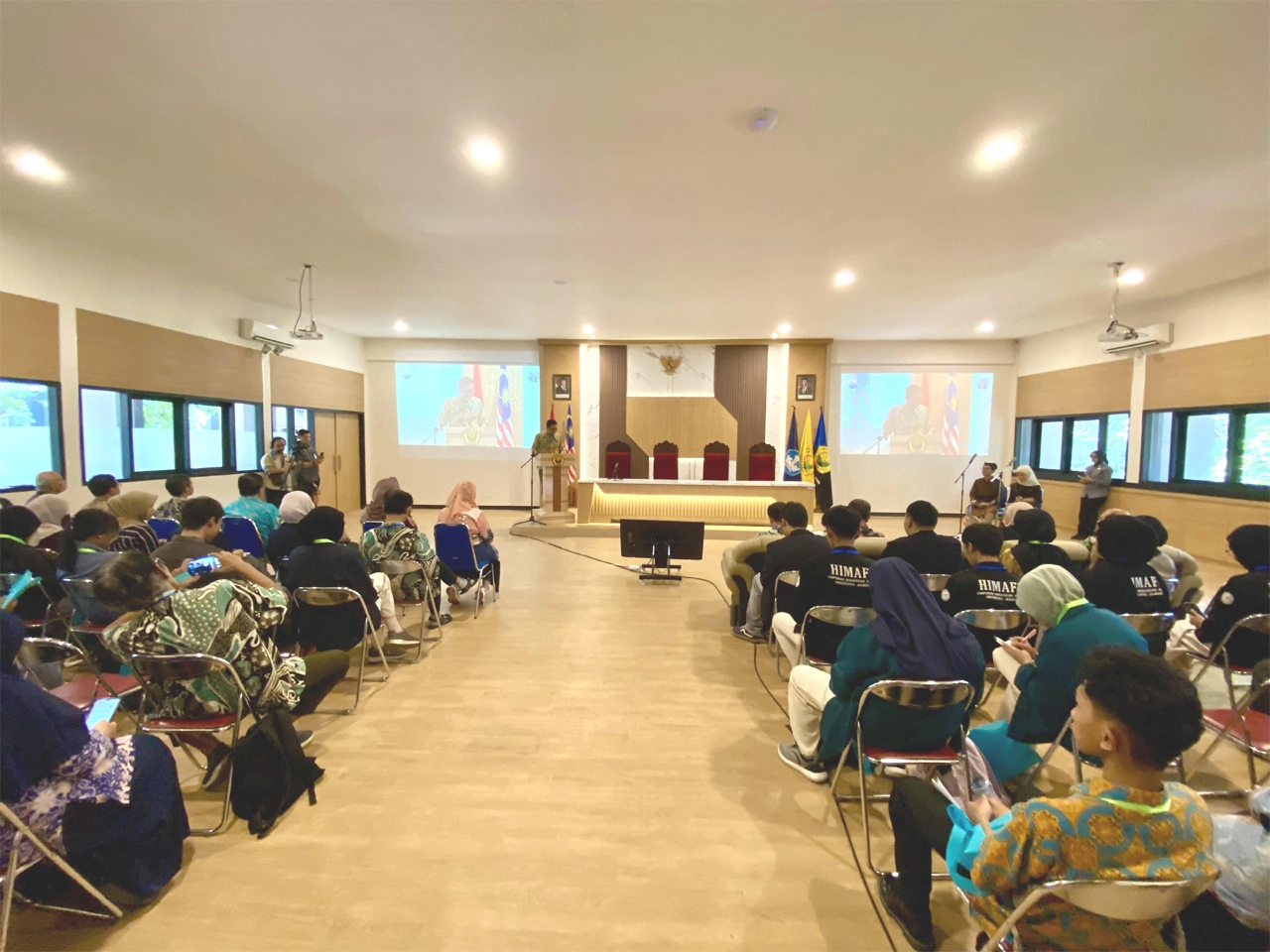
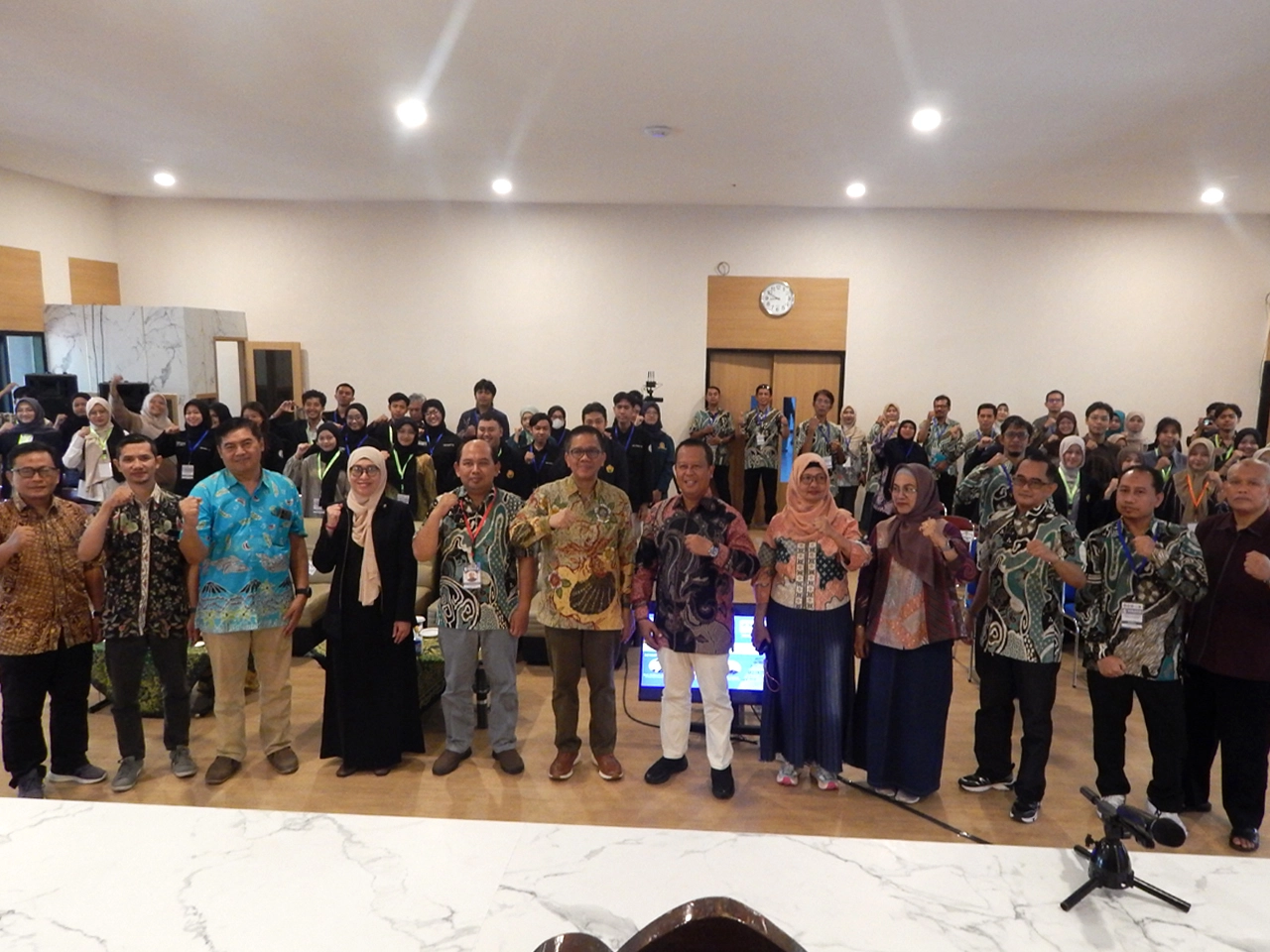
 The Rector of the University of Jember, Dr. Ir. Iwan Taruna, M.Eng., IPM., ASEAN Eng., officially opened the 5th Seminar Nasional Fisika (SENAFIS) 2026, hosted by the Department of Physics at the Faculty of Mathematics and Natural Sciences (FMIPA), University of Jember (October 29). In his remarks, the Rector emphasized that SENAFIS serves as a significant momentum for strengthening the academic atmosphere at the University of Jember, while simultaneously addressing the challenges posed by the increasingly rapid advancement of technology. He noted that the technological progress enjoyed today is inseparable from the contributions of physics, which serves as the foundation for the emergence of various innovations.
“Physics is not merely a discipline for understanding natural phenomena; it also serves as the foundation for developing technologies that transform human life. Our challenge today goes beyond simply producing scientific knowledge it lies in transforming that knowledge into innovations that benefit society,” he stated. The Rector also encouraged the academic community to continue promoting the importance of physics to the younger generation and to leverage advancements in artificial intelligence as a partner in accelerating research progress. “SENAFIS does not stop at being a forum for presenting research findings; it serves as a vehicle for strengthening academic networksBecause robust science must serve as the foundation for advanced technology, such technology must, in turn, provide benefits to society all while remaining mindful of environmental sustainability and the well-being of future generations,” he concluded.
The Chair of the SENAFIS 5 Organizing Committee, Dr. Supriyadi, S.Si., M.Si., stated that this year’s seminar carries the theme, “Transformasi Sains dan Teknologi Berbasis Fisika untuk Pembangunan Indonesia Berkelanjutan Menuju SDGs 2030” This theme underscores the vital role of physics in driving advancements in science and technology through research, innovation, and collaboration to support sustainable development in Indonesia. SENAFIS 5 is being held in a hybrid format, featuring three keynote speakers and 83 presenters from 16 institutions across Indonesia. Dr. Supriyadi expressed his hope that this event will serve not only as a forum for disseminating research findings but also as a means to strengthen academic networks, foster inter-institutional collaboration, and generate innovative ideas that provide tangible benefits to society.
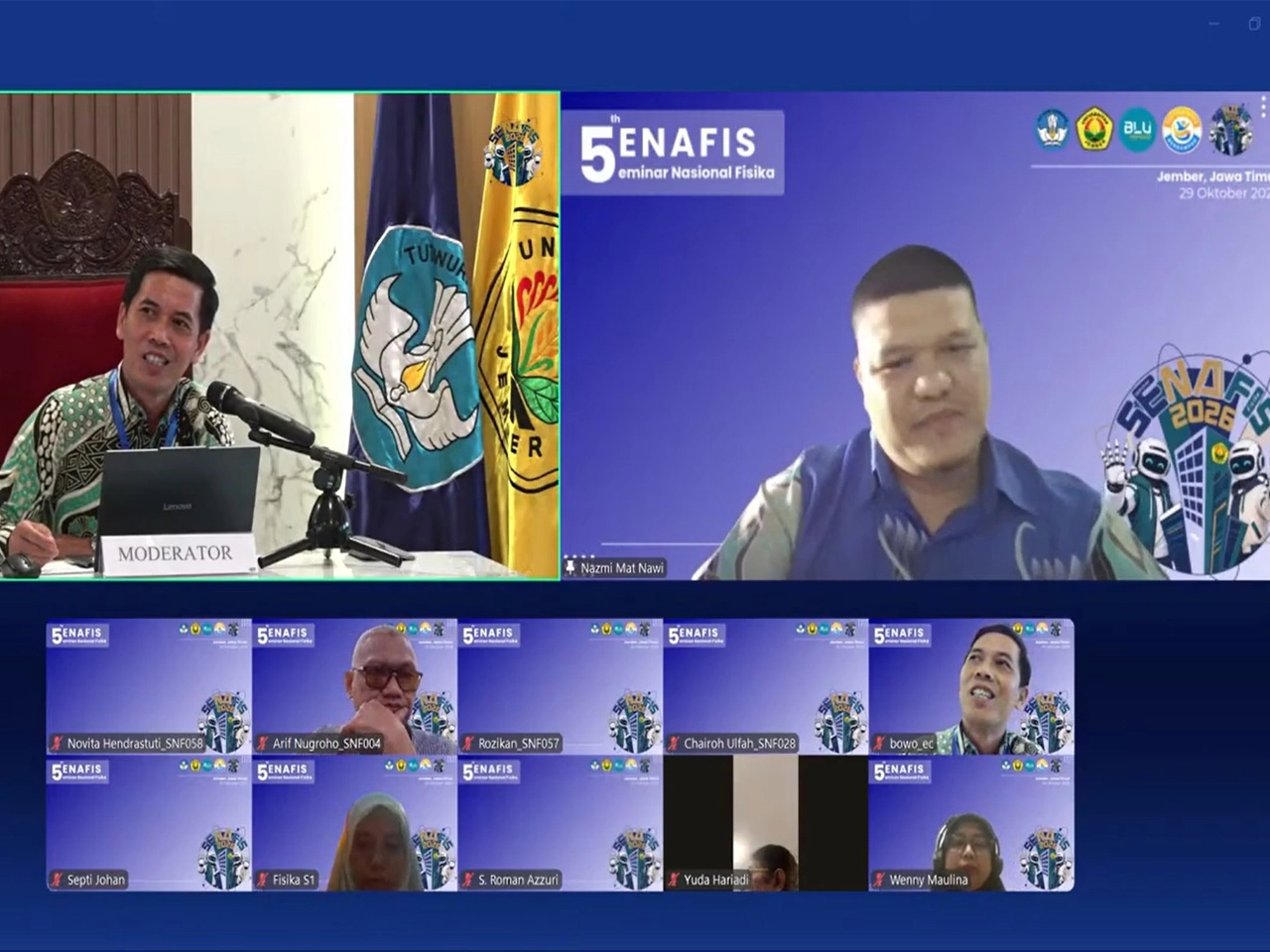
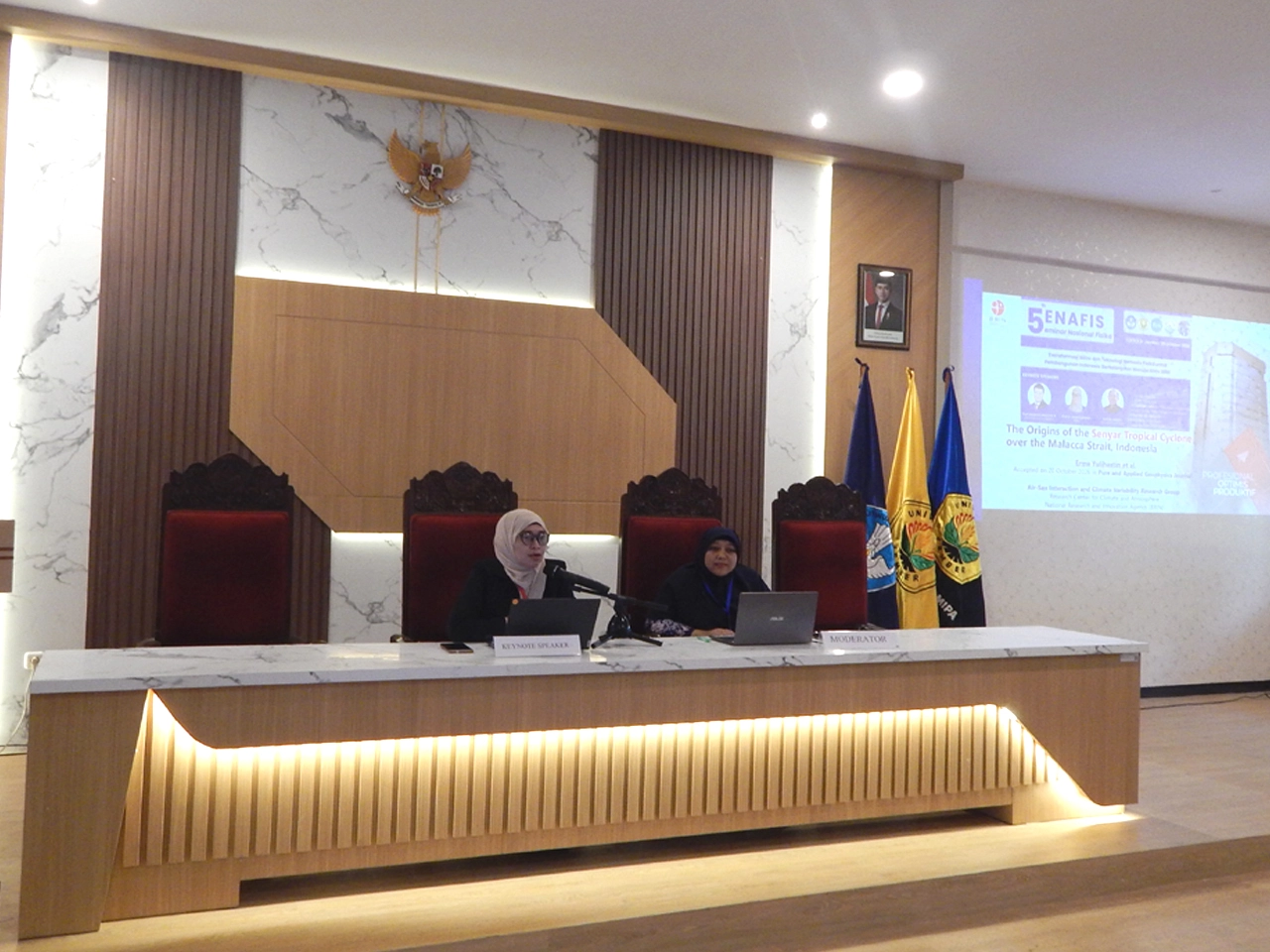
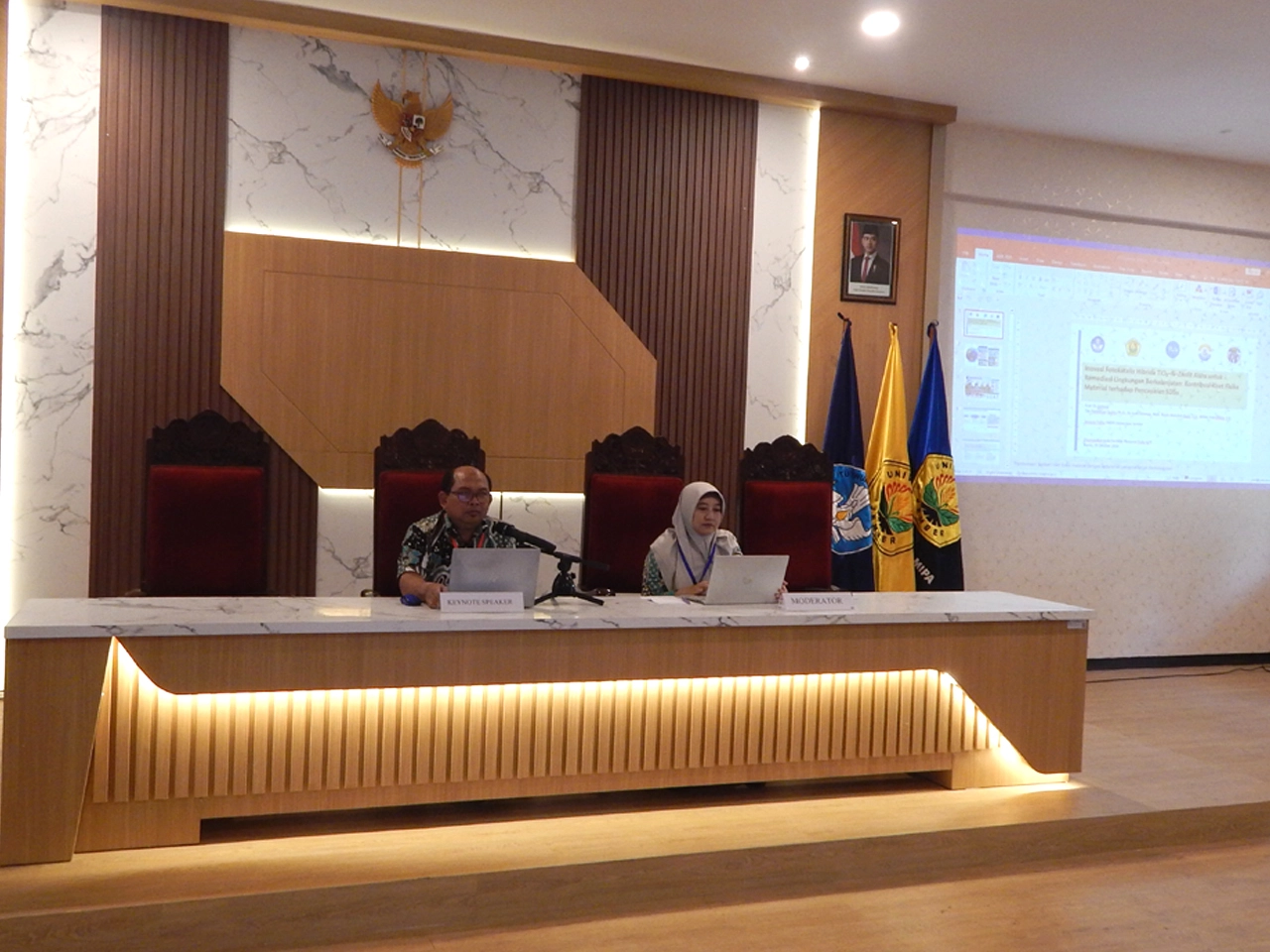
The plenary session began with a presentation by Assoc. Prof. Dr. Nazmi M.N. from Universiti Putra Malaysia, titled “Latest R&D in Smart Agricultural Mechanization for Sustainable Rice Production in Malaysia” moderated by Bowo Eko Cahyono, S.Si., M.Si., Ph.D. This was followed by a presentation from Prof. Dr. Erma Yulihastin of the National Research and Innovation Agency (BRIN) on “Studi Asal Usul Siklon Tropis Senyar dan Rekomendasi Mitigasi Siklon di Indonesia” moderated by Dr. Ratna Dewi Syarifah, S.Pd., M.Si. Finally, Prof. Dr. Sutisna, S.Pd., M.Si., from the University of Jember presented on “Inovasi Fotokatalis Hibrida TiO₂-N-Zeolit Alam untuk Remediasi Lingkungan Berkelanjutan: Kontribusi Riset Fisika Material terhadap Pencapaian SDGs” moderated by Dr. Endhah Purwandari, S.Si., M.Si.
The parallel sessions were divided into two formats: online and offline. The online portion consisted of three virtual rooms, while the offline portion comprised six rooms spread across various locations within the Department of Physics, FMIPA UNEJ. The event concluded with the announcement of the “Best Presenter” awards. Through the organization of SENAFIS 5, the Faculty of Mathematics and Natural Sciences at the University of Jember reaffirms its commitment to fostering a collaborative and innovative research ecosystem. This seminar is intended to serve as a catalyst for the emergence of high-quality research—work that not only enriches scientific knowledge but also yields technologies with a tangible impact on society, supports sustainable national development, and strengthens the University of Jember’s position as a hub for the advancement of science and technology in Indonesia.
 |
 |
 |
 |