
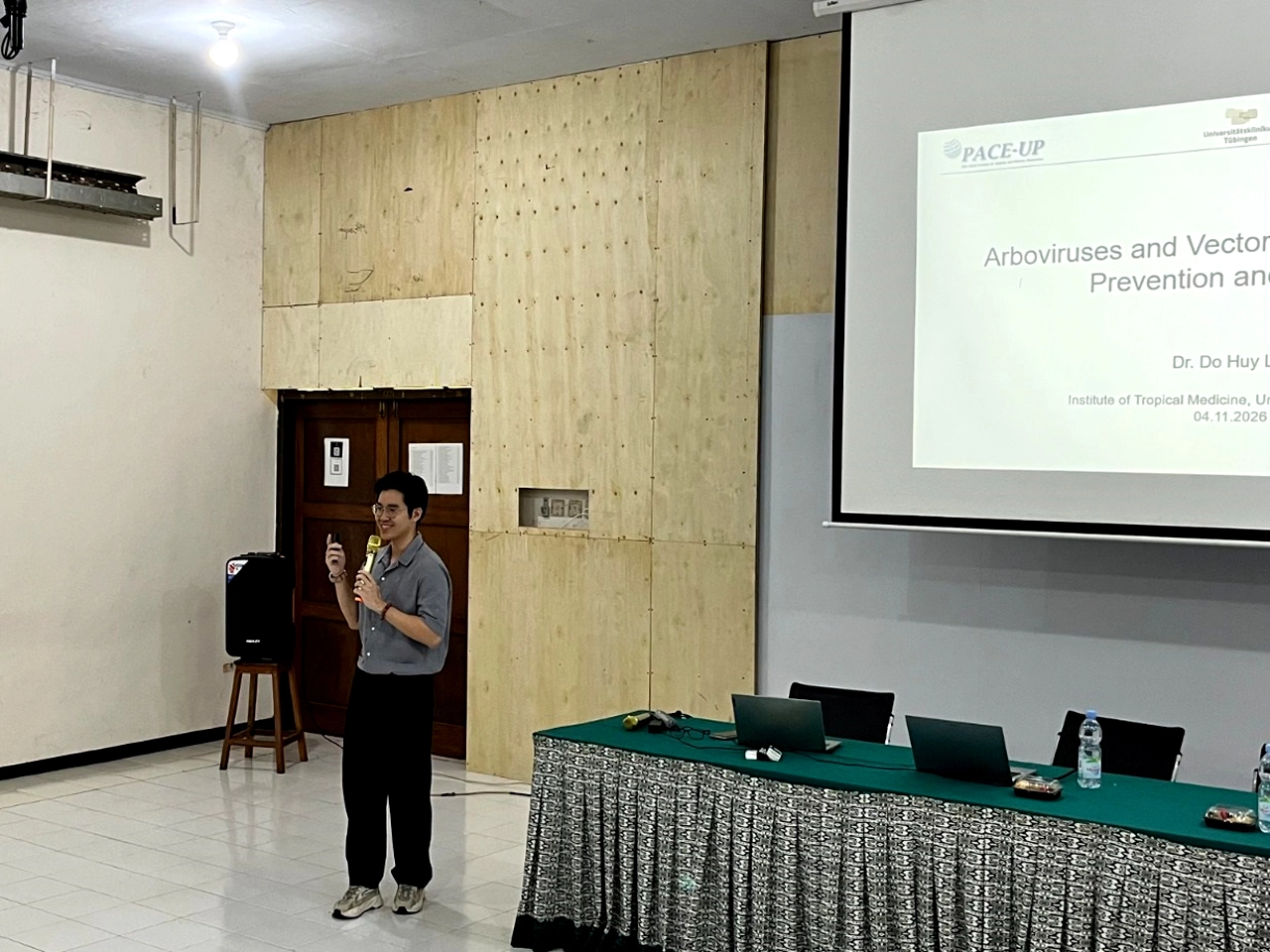
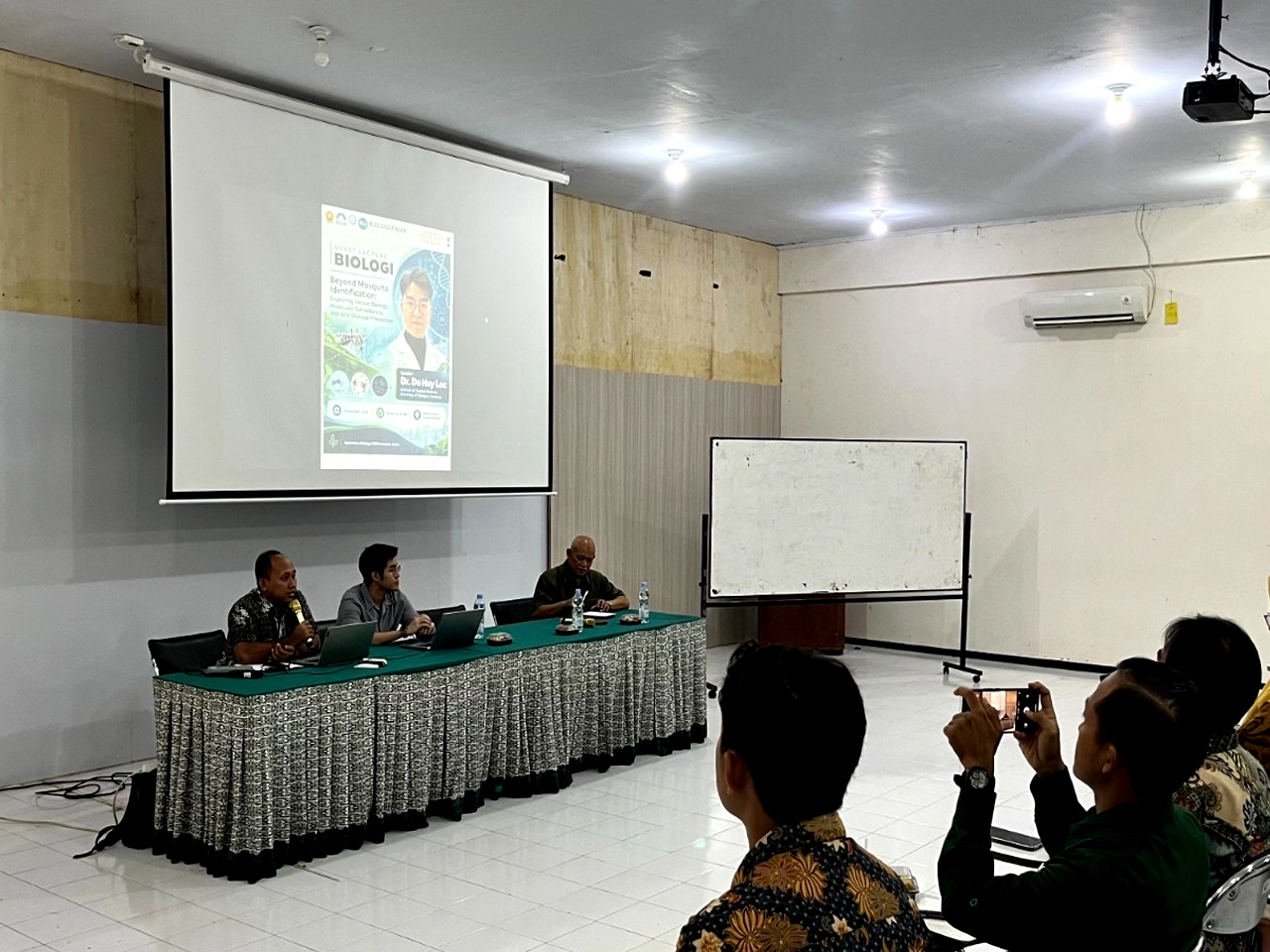
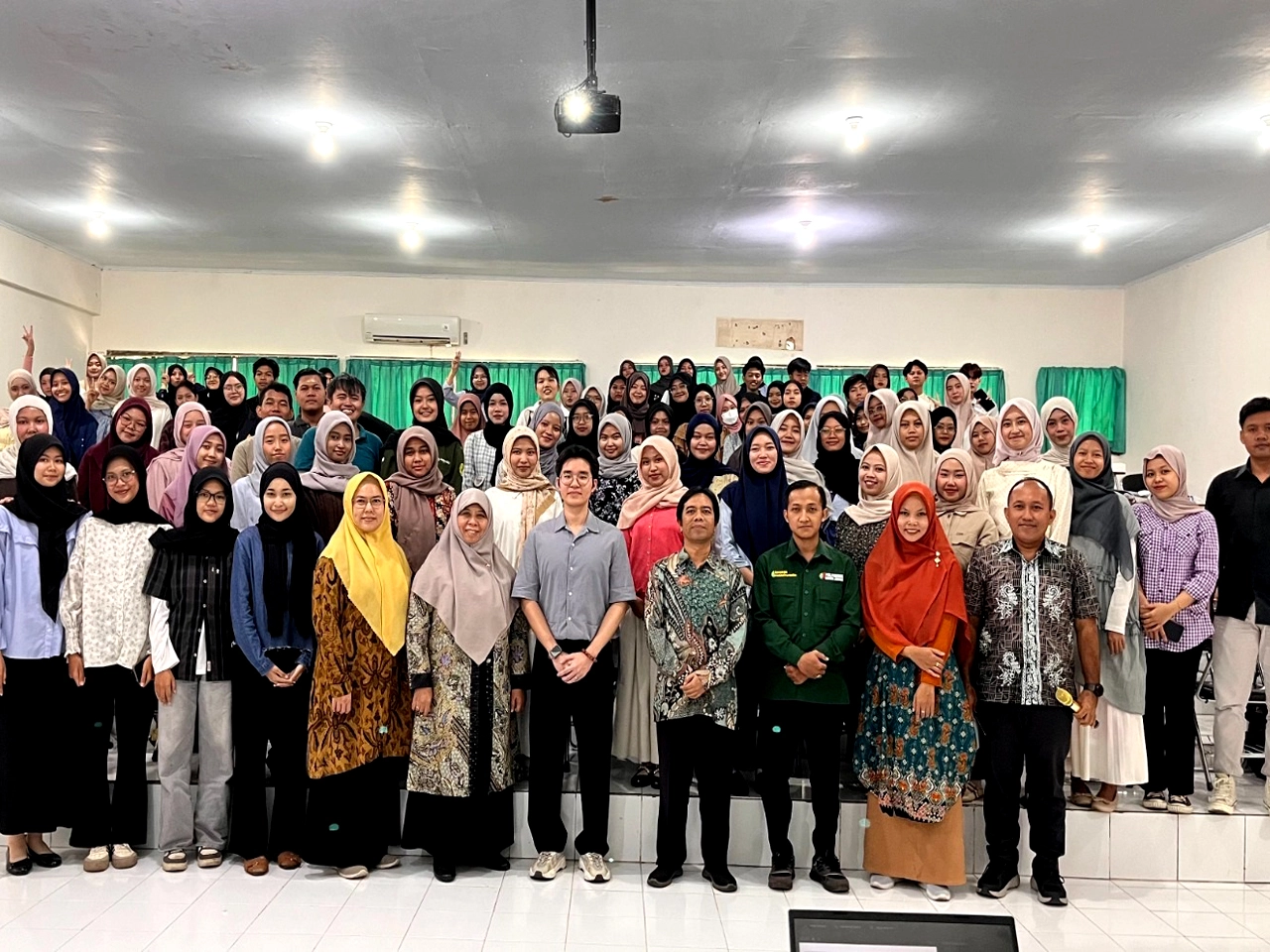
 The Department of Biology at the FMIPA UNEJ, provided an international-standard learning experience through a guest lecture titled “Beyond Mosquito Identification: Exploring Vector Biology, Molecular Surveillance, and AI in Disease Prevention” (4/11). Dr. Do Huy Loc from the Institute of Tropical Medicine at the University of Tübingen, Germany, guided students through research on vector biology, molecular surveillance, and the role of artificial intelligence in addressing the challenges posed by mosquito-borne diseases. The session was moderated by Dr. Vendi Eko Susilo and opened with remarks from the Head of the Department of Biology at FMIPA UNEJ, Dr. Asmoro Lelono.
In his presentation, Dr. Do Huy Loc invited participants to view mosquitoes not merely as disease-carrying insects, but as part of an ecosystem deeply influenced by environmental changes. “Rising temperatures can affect the transmission dynamics of viruses such as dengue, Zika, and chikungunya, making vector surveillance a crucial step in the early detection of potential outbreaks,” he explained. Furthermore, he discussed biological control approaches specifically the use of *Wolbachia* and Bacillus thuringiensis (Bt) emphasizing that any such strategy must account for the biological characteristics of the vectors and their ecological impact to ensure long-term sustainability.
One of the sessions that particularly captured the participants’ attention was a discussion on the use of artificial intelligence (AI) to identify mosquito species through digital imagery. Dr. Do Huy Loc explained that AI technology can accelerate the identification process on a large scale, making it highly valuable for disease surveillance efforts. “The sophistication of AI depends on the quality of the data used to train the system. Diverse datasets, precise labeling, and rigorous validation remain the essential foundations for achieving high accuracy in identification,” he stated. In this context, AI serves as a partner to researchers rather than a replacement for human expertise.
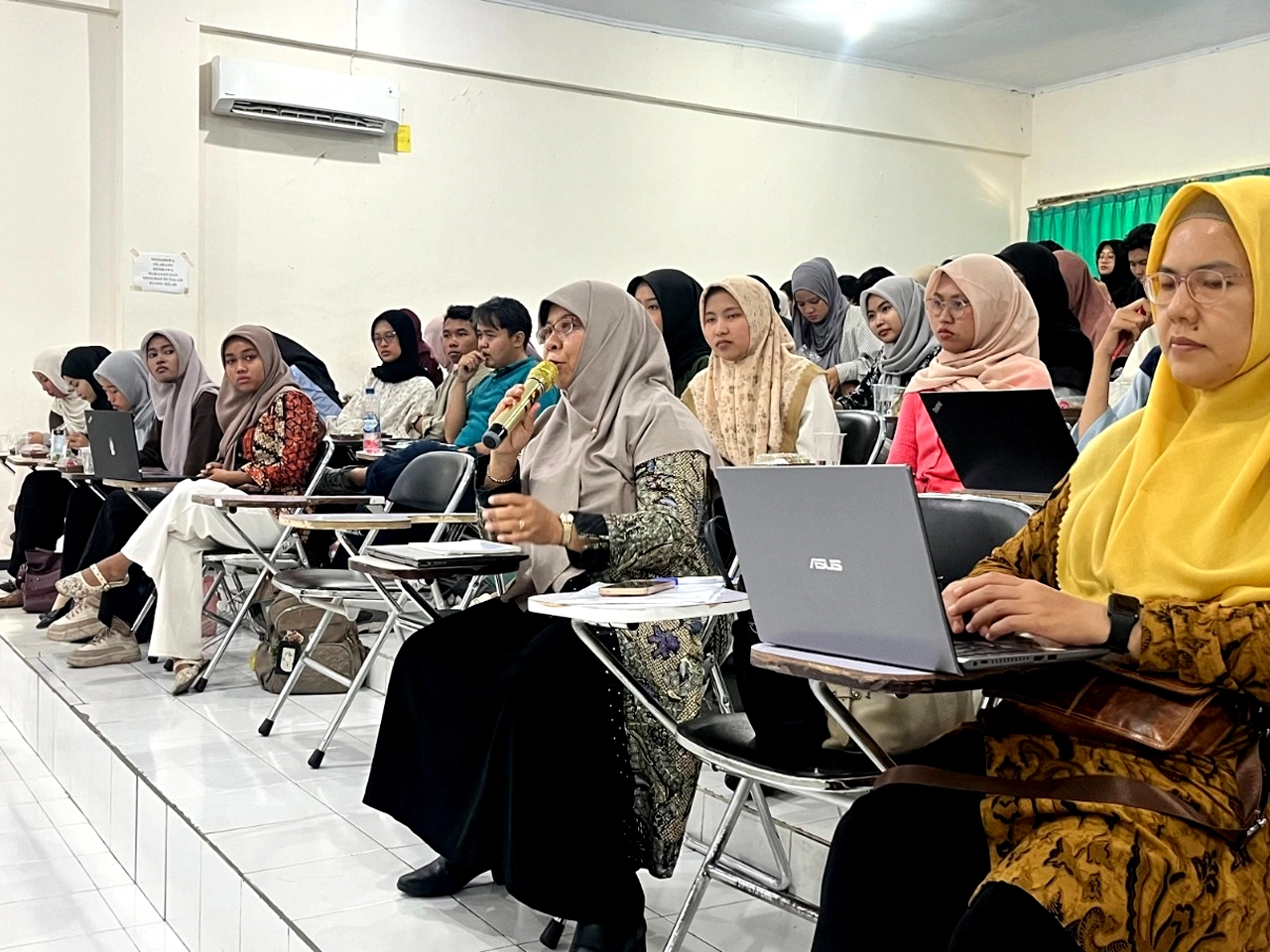
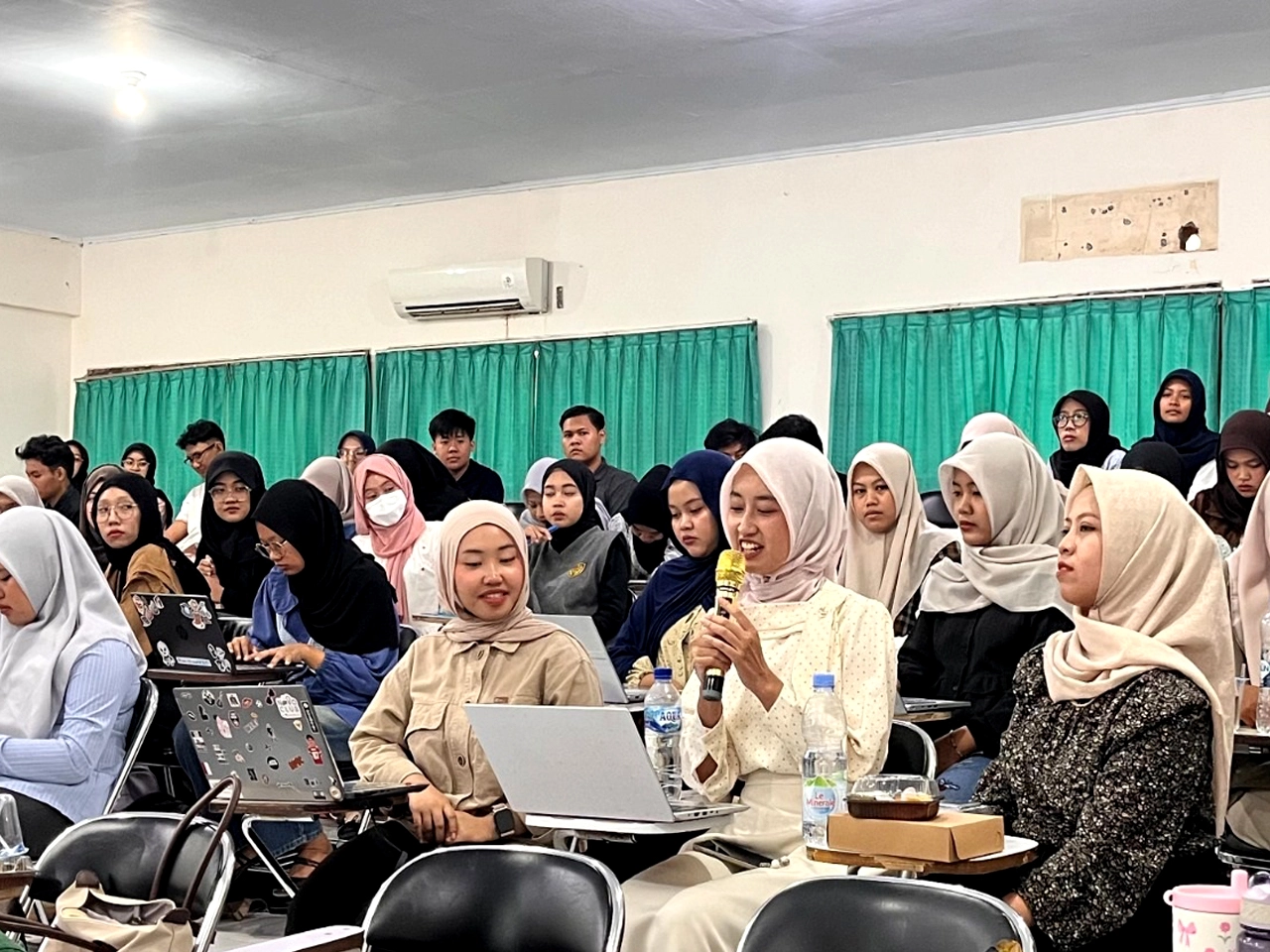
Students and faculty members had the opportunity to engage in direct discussions with the guest speaker regarding the link between climate change and the spread of mosquito-borne diseases, the effectiveness of biological control methods, and the potential for integrating AI with manual morphological identification. The participants’ enthusiasm underscored a strong interest in leveraging digital technology for modern biological research. As a follow-up, the Department of Biology at the FMIPA UNEJ, will host a two-day workshop focused on the practical application of AI tools for mosquito identification comparing these with traditional morphological identification methods aimed at strengthening student competencies while fostering research collaboration in the fields of global health and the environment.
 |
 |
 |
 |